链表(Linked List)
很多的教材都是用C语言实现链表,因为c有指针,可以很方便的控制内存,很方便就实现链表,其他的语言,则没那么方便,由于python是动态语言,可以直接把对象赋值给新的变量,于是在python一切皆为对象的原理上实现链表的各项操作。
在实现链表python类的属性和方法操作之前,先整理一些链表的理论知识。
一、链表的基本结构
链表是通过一个个节点(Node)组成的,每个节点都包含了称为数据域(value)和指针域(next)的基本单元,它也是一种递归的数据结构。它能保持数据之间的逻辑顺序,但存储空间不必按照顺序存储。
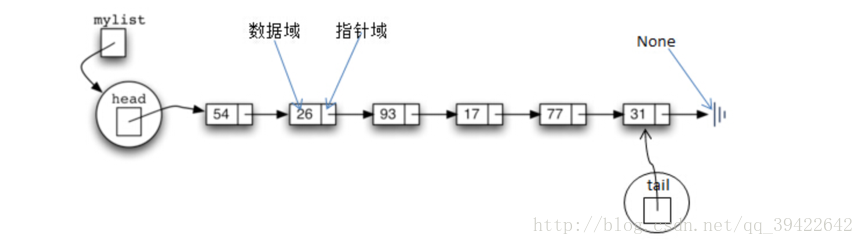
链表的基本元素有:
- 节点:每个节点有两个部分,左边部分称为值域,用来存放用户数据;右边部分称为指针域,用来存放指向下一个元素的指针。
- head:head节点永远指向第一个节点
- tail: tail永远指向最后一个节点
- None:链表中最后一个节点的指针域为None值
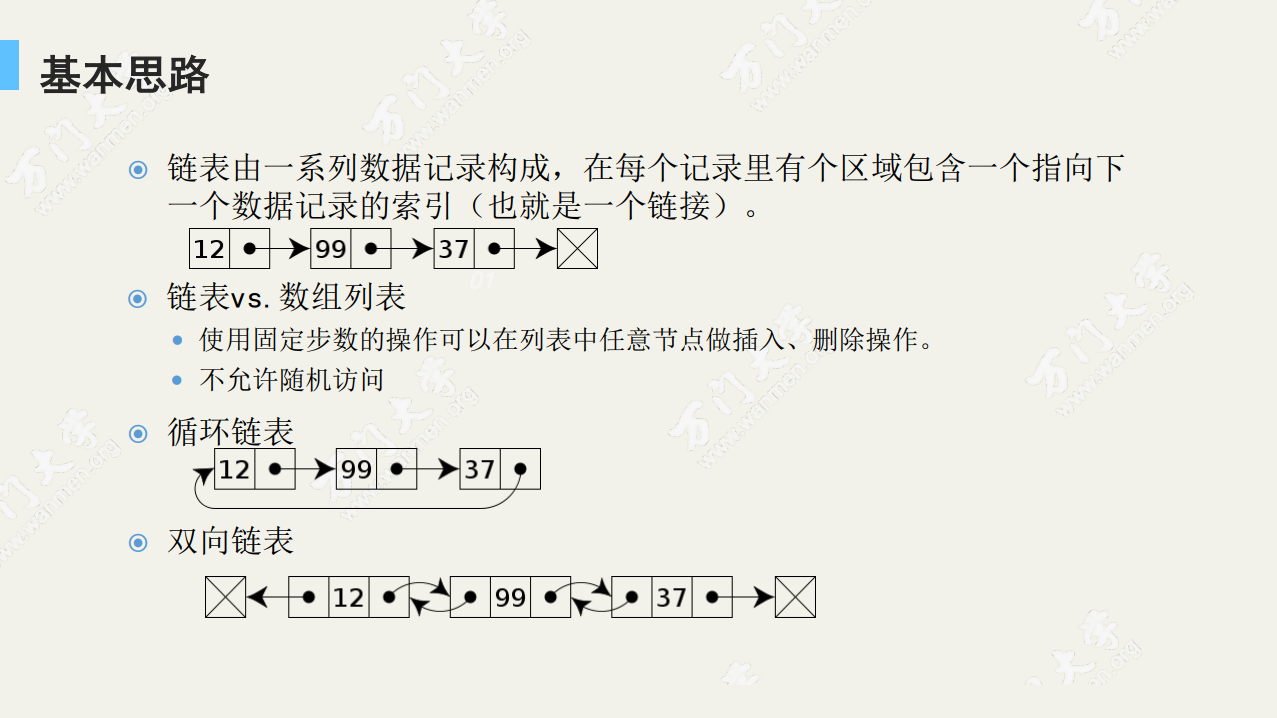
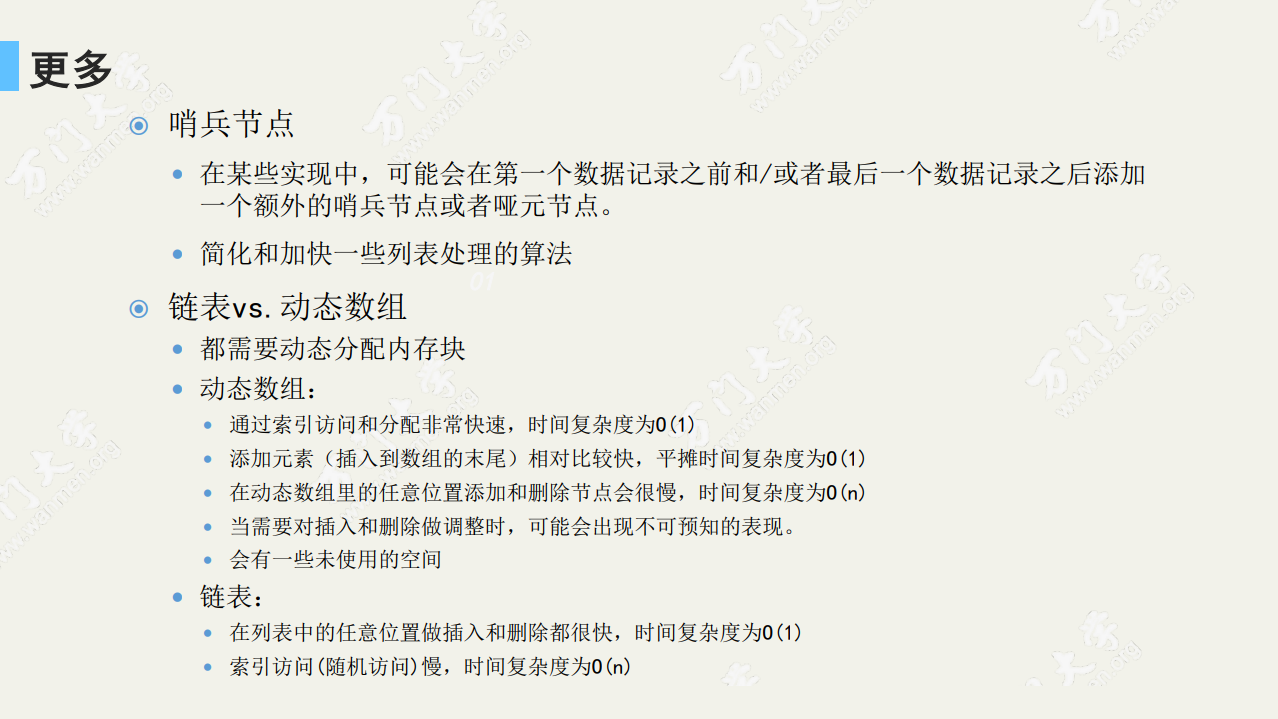
二、链表的种类以及和动态数组(Array List)的对比
三、单向链表属性与各类操作方法代码
#先定一个node的类
class Node():                  #value + next
    def __init__ (self, value = None, next = None):
        self._value = value
        self._next = next

    def getValue(self):
        return self._value

    def getNext(self):
        return self._next

    def setValue(self,new_value):
        self._value = new_value

    def setNext(self,new_next):
        self._next = new_next

#实现Linked List及其各类操作方法
class LinkedList():
    def __init__(self):      #初始化链表为空表
        self._head = Node()
        self._tail = None
        self._length = 0

    #检测是否为空
    def isEmpty(self):
        return self._head == None

    #add在链表前端添加元素:O(1)
    def add(self,value):
        newnode = Node(value,None)    #create一个node(为了插进一个链表)
        newnode.setNext(self._head)
        self._head = newnode

    #append在链表尾部添加元素:O(n)
    def append(self,value):
        newnode = Node(value)
        if self.isEmpty():
            self._head = newnode   #若为空表,将添加的元素设为第一个元素
        else:
            current = self._head
            while current.getNext() != None:
                current = current.getNext()   #遍历链表
            current.setNext(newnode)   #此时current为链表最后的元素

    #search检索元素是否在链表中
    def search(self,value):
        current=self._head
        foundvalue = False
        while current != None and not foundvalue:
            if current.getValue() == value:
                foundvalue = True
            else:
                current=current.getNext()
        return foundvalue

    #index索引元素在链表中的位置
    def index(self,value):
        current = self._head
        count = 0
        found = None
        while current != None and not found:
            count += 1
            if current.getValue()==value:
                found = True
            else:
                current=current.getNext()
        if found:
            return count
        else:
            raise ValueError ('%s is not in linkedlist'%value)

    #remove删除链表中的某项元素
    def remove(self,value):
        current = self._head
        pre = None
        while current!=None:
            if current.getValue() == value:
                if not pre:
                    self._head = current.getNext()
                else:
                    pre.setNext(current.getNext())
                break
            else:
                pre = current
                current = current.getNext()

    #insert链表中插入元素
    def insert(self,pos,value):
        if pos <= 1:
            self.add(value)
        elif pos > self.size():
            self.append(value)
        else:
            temp = Node(value)
            count = 1
            pre = None
            current = self._head
            while count < pos:
                count += 1
                pre = current
                current = current.getNext()
            pre.setNext(temp)
            temp.setNext(current)
四、操作链表的原理知识
1.遍历链表
链表的基本操作:遍历next节点
- 在列表中查找一个元素
- 在列表中插入一个元素
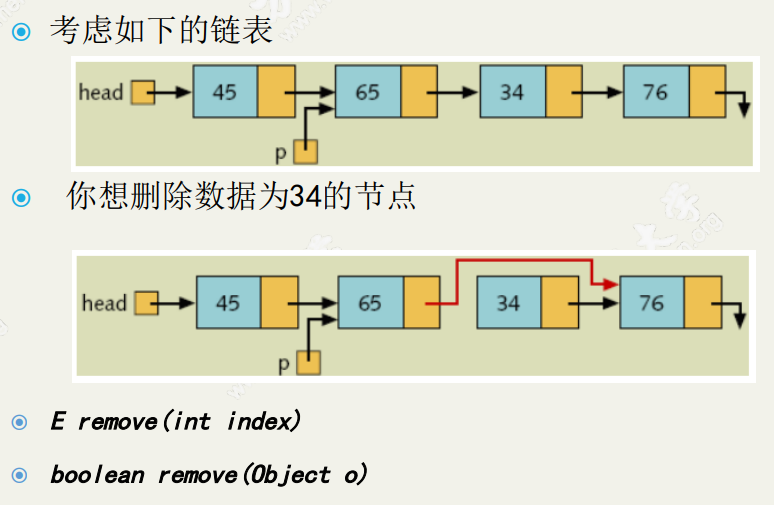
- 从列表中删除一列元素
不可以用head来遍历列表
- 否则会丢失列表的一些节点
- 可以使用和head相同类型的索引变量:current
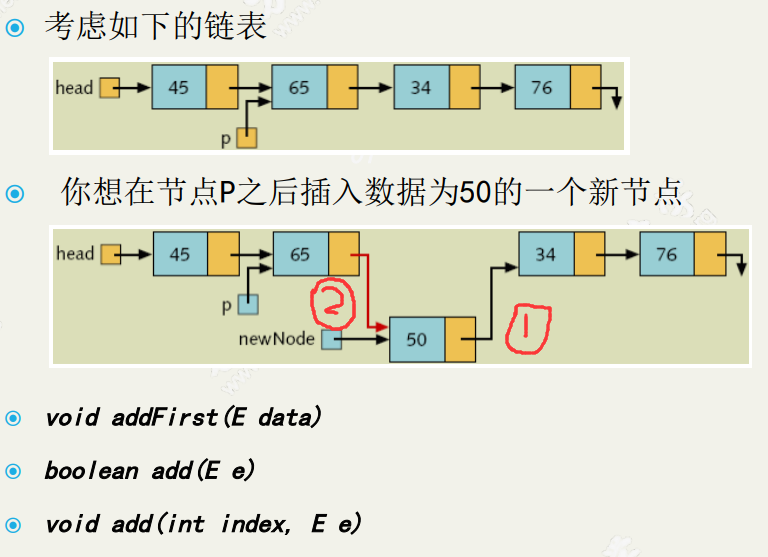
2.插入
3.删除
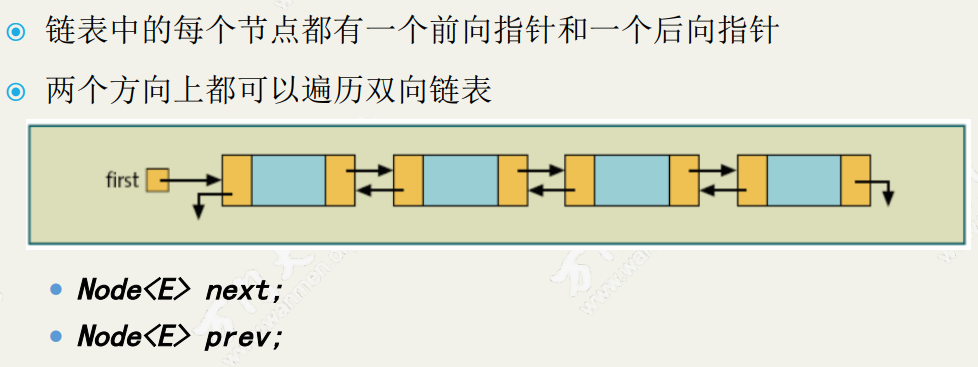
4.双向链表
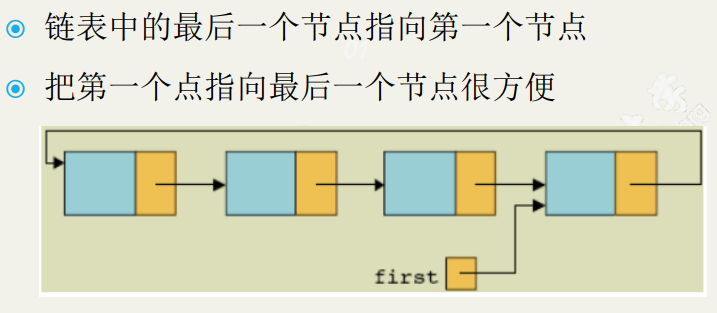
5.循环链表
学习参考:Python数据结构链表实现