缓存的作用: 提高程序的性能
ehcache:Ehcache 是现在最流行的纯Java开源缓存框架,配置简单、结构清晰、功能强大
ehcache的特点
1.够快
Ehcache的发行有一段时长了,经过几年的努力和不计其数的性能测试,Ehcache终被设计于large, high concurrency systems.
2. 够简单
开发者提供的接口非常简单明了,从Ehcache的搭建到运用运行仅仅需要的是你宝贵的几分钟。其实很多开发者都不知道自己用在用Ehcache,Ehcache被广泛的运用于其他的开源项目
3. 够袖珍
关于这点的特性,官方给了一个很可爱的名字small foot print ,一般Ehcache的发布版本不会到2M,V 2.2.3 才 668KB。
4. 够轻量
核心程序仅仅依赖slf4j这一个包,没有之一!
5.好扩展
Ehcache提供了对大数据的内存和硬盘的存储,最近版本允许多实例、保存对象高灵活性、提供LRU、LFU、FIFO淘汰算法,基础属性支持热配置、支持的插件多
6. 监听器
缓存管理器监听器 (CacheManagerListener)和 缓存监听器(CacheEvenListener),做一些统计或数据一致性广播挺好用的
7. 分布式缓存
从Ehcache 1.2开始,支持高性能的分布式缓存,兼具灵活性和扩展性
hibernate(5.2.12.Final)中使用二级缓存步骤(ehcache)
导入ehcache相关依赖
<dependency>
<groupId>org.hibernate</groupId>
<artifactId>hibernate-ehcache</artifactId>
<version>5.2.12.Final</version>
</dependency>
src添加ehcache.xml
<!-- 开启二级缓存 -->
<property name="hibernate.cache.use_second_level_cache">true</property>
<!-- 开启查询缓存 -->
<property name="hibernate.cache.use_query_cache">true</property>
<!-- EhCache驱动 -->
<property name="hibernate.cache.region.factory_class">org.hibernate.cache.ehcache.EhCacheRegionFactory</property>
指定实体类开启二级缓存
<!-- 注解式开发 -->
<class-cache usage="read-write" class="entity.Dict"/>
<!-- xml配置方式 -->
<class table="t_sys_dict" name="entity.Dict">
<cache usage="read-write"/>
.......
</class>
案例:
利用map集合实现缓存原理:
EhcacheDemo1:
package com.test;
import java.util.HashMap;
import java.util.Map;
/**
* 利用map集合简易实现缓存原理
*
* @author Administrator
*
*/
public class EhcacheDemo1 {
static Map<String, Object> cache = new HashMap<String, Object>();
static Object getValue(String key) {
Object value = cache.get(key);
System.out.println("从内存中读取数据");
if(value == null) {
System.out.println("从数据库中读取数据");
cache.put(key, new String[] {"zs"});
return cache.get(key);
}
return value;
}
public static void main(String[] args) {
System.out.println(getValue("sname"));
System.out.println(getValue("sname"));
}
}

利用缓存存储数据:
EhcacheDemo2:
package com.test;

import com.util.EhcacheUtil;

/**
 * 演示利用缓存存储数据
 * @author Administrator
 *
 */
public class EhcacheDemo2 {
	public static void main(String[] args) {
		System.out.println(System.getProperty("java.io.tmpdir"));
		EhcacheUtil.put("com.entity.Book", 11, "zhangsan");
		System.out.println(EhcacheUtil.get("com.entity.Book", 11));
	}
}
EhcacheUtil:
package com.util;

import net.sf.ehcache.Cache;
import net.sf.ehcache.CacheManager;
import net.sf.ehcache.Element;

import java.io.InputStream;

public class EhcacheUtil {

    private static CacheManager cacheManager;

    static {
        try {
            InputStream is = EhcacheUtil.class.getResourceAsStream("/ehcache.xml");
            cacheManager = CacheManager.create(is);
        } catch (Exception e) {
            throw new RuntimeException(e);
        }
    }

    private EhcacheUtil() {
    }

    public static void put(String cacheName, Object key, Object value) {
        Cache cache = cacheManager.getCache(cacheName);
        if (null == cache) {
            //以默认配置添加一个名叫cacheName的Cache
            cacheManager.addCache(cacheName);
            cache = cacheManager.getCache(cacheName);
        }
        cache.put(new Element(key, value));
    }


    public static Object get(String cacheName, Object key) {
        Cache cache = cacheManager.getCache(cacheName);
        Element element = cache.get(key);
        return null == element ? null : element.getValue();
    }

    public static void remove(String cacheName, Object key) {
        Cache cache = cacheManager.getCache(cacheName);
        cache.remove(key);
    }
}
导入pom依赖:
<project xmlns="http://maven.apache.org/POM/4.0.0" xmlns:xsi="http://www.w3.org/2001/XMLSchema-instance"
	xsi:schemaLocation="http://maven.apache.org/POM/4.0.0 http://maven.apache.org/maven-v4_0_0.xsd">
	<modelVersion>4.0.0</modelVersion>
	<groupId>com</groupId>
	<artifactId>HIbernate3</artifactId>
	<packaging>war</packaging>
	<version>0.0.1-SNAPSHOT</version>
	<name>HIbernate3 Maven Webapp</name>
	<url>http://maven.apache.org</url>
	<properties>
		<project.build.sourceEncoding>UTF-8</project.build.sourceEncoding>
		<maven.compiler.source>1.8</maven.compiler.source>
		<maven.compiler.target>1.8</maven.compiler.target>

		<junit.version>4.12</junit.version>
		<servlet.version>4.0.0</servlet.version>
		<hibernate.version>5.2.12.Final</hibernate.version>
		<mysql.driver.version>5.1.46</mysql.driver.version>

		<ehcache.version>2.10.0</ehcache.version>
		<slf4j-api.version>1.7.7</slf4j-api.version>
		<log4j-api.version>2.9.1</log4j-api.version>
	</properties>
	<dependencies>
		<dependency>
			<groupId>junit</groupId>
			<artifactId>junit</artifactId>
			<version>${junit.version}</version>
			<scope>test</scope>
		</dependency>
		<dependency>
			<groupId>org.hibernate</groupId>
			<artifactId>hibernate-core</artifactId>
			<version>${hibernate.version}</version>
		</dependency>
		<dependency>
			<groupId>javax.servlet</groupId>
			<artifactId>javax.servlet-api</artifactId>
			<version>${servlet.version}</version>
			<scope>provided</scope>
		</dependency>
		<dependency>
			<groupId>mysql</groupId>
			<artifactId>mysql-connector-java</artifactId>
			<version>${mysql.driver.version}</version>
		</dependency>
		<dependency>
			<groupId>net.sf.ehcache</groupId>
			<artifactId>ehcache</artifactId>
			<version>${ehcache.version}</version>
		</dependency>

		<dependency>
			<groupId>org.hibernate</groupId>
			<artifactId>hibernate-ehcache</artifactId>
			<version>${hibernate.version}</version>
		</dependency>
		<!-- slf4j核心包 -->
		<dependency>
			<groupId>org.slf4j</groupId>
			<artifactId>slf4j-api</artifactId>
			<version>${slf4j-api.version}</version>
		</dependency>
		<dependency>
			<groupId>org.slf4j</groupId>
			<artifactId>jcl-over-slf4j</artifactId>
			<version>${slf4j-api.version}</version>
			<scope>runtime</scope>
		</dependency>

		<!--用于与slf4j保持桥接 -->
		<dependency>
			<groupId>org.apache.logging.log4j</groupId>
			<artifactId>log4j-slf4j-impl</artifactId>
			<version>${log4j-api.version}</version>
		</dependency>

		<!--核心log4j2jar包 -->
		<dependency>
			<groupId>org.apache.logging.log4j</groupId>
			<artifactId>log4j-api</artifactId>
			<version>${log4j-api.version}</version>
		</dependency>
		<dependency>
			<groupId>org.apache.logging.log4j</groupId>
			<artifactId>log4j-core</artifactId>
			<version>${log4j-api.version}</version>
		</dependency>

	</dependencies>
	<build>
		<finalName>Hibernate3</finalName>
		<plugins>
			<plugin>
				<groupId>org.apache.maven.plugins</groupId>
				<artifactId>maven-compiler-plugin</artifactId>
				<version>3.7.0</version>
				<configuration>
					<source>${maven.compiler.source}</source>
					<target>${maven.compiler.target}</target>
					<encoding>${project.build.sourceEncoding}</encoding>
				</configuration>
			</plugin>
		</plugins>
	</build>
</project>
hibernate.cfg.xml:
<?xml version="1.0" encoding="UTF-8"?>

<!DOCTYPE hibernate-configuration PUBLIC
	"-//Hibernate/Hibernate Configuration DTD 3.0//EN"
	"http://www.hibernate.org/dtd/hibernate-configuration-3.0.dtd">
<hibernate-configuration>
	<session-factory>
		<!-- 1. 数据库相关 -->
		<property name="connection.username">root</property>
		<property name="connection.password">123</property>
		<property name="connection.url">jdbc:mysql://localhost:3306/mysql?useUnicode=true&characterEncoding=UTF-8
		</property>
		<property name="connection.driver_class">com.mysql.jdbc.Driver</property>
		<property name="dialect">org.hibernate.dialect.MySQLDialect</property>

		<!-- 配置本地事务(No CurrentSessionContext configured!) -->
		<property name="hibernate.current_session_context_class">thread</property>

		<!-- 2. 调试相关 -->
		<property name="show_sql">true</property>
		<property name="format_sql">true</property>

		<!-- 开启二级缓存 -->
		<property name="hibernate.cache.use_second_level_cache">true</property>
		<!-- 开启查询缓存 -->
		<property name="hibernate.cache.use_query_cache">true</property>
		<!-- EhCache驱动 -->

		<property name="hibernate.cache.region.factory_class">org.hibernate.cache.ehcache.EhCacheRegionFactory</property>
		<!-- 3. 添加实体映射文件 -->
		<mapping resource="com/entity/user.hbm.xml" />


		<!-- 主键生成策略 -->
		<!-- <mapping resource="com/entity/Worker.hbm.xml" /> -->
		<!-- <mapping resource="com/entity/Student.hbm.xml" /> -->
		<!-- 关联关系(一对多) -->
	<!-- 	<mapping resource="com/entity/Order.hbm.xml" />
		<mapping resource="com/entity/OrderItem.hbm.xml" /> -->
		<!-- 一对多自关联 -->
	<!-- 	<mapping resource="com/entity/TreeNode.hbm.xml" /> -->
		<!-- -->
		<!-- <mapping resource="com/entity/Book.hbm.xml" />
		<mapping resource="com/entity/category.hbm.xml" /> -->
	</session-factory>
</hibernate-configuration>
ehcache.xml
<?xml version="1.0" encoding="UTF-8"?>
<ehcache xmlns:xsi="http://www.w3.org/2001/XMLSchema-instance"
         xsi:noNamespaceSchemaLocation="http://ehcache.org/ehcache.xsd"
         updateCheck="false">
    <!--磁盘存储:将缓存中暂时不使用的对象,转移到硬盘,类似于Windows系统的虚拟内存-->
    <!--path:指定在硬盘上存储对象的路径-->
    <!--java.io.tmpdir 是默认的临时文件路径。 可以通过如下方式打印出具体的文件路径 System.out.println(System.getProperty("java.io.tmpdir"));-->
    <diskStore path="D://xxx"/>


    <!--defaultCache:默认的管理策略-->
    <!--eternal:设定缓存的elements是否永远不过期。如果为true,则缓存的数据始终有效,如果为false那么还要根据timeToIdleSeconds,timeToLiveSeconds判断-->
    <!--maxElementsInMemory:在内存中缓存的element的最大数目-->
    <!--overflowToDisk:如果内存中数据超过内存限制,是否要缓存到磁盘上-->
    <!--diskPersistent:是否在磁盘上持久化。指重启jvm后,数据是否有效。默认为false-->
    <!--timeToIdleSeconds:对象空闲时间(单位:秒),指对象在多长时间没有被访问就会失效。只对eternal为false的有效。默认值0,表示一直可以访问-->
    <!--timeToLiveSeconds:对象存活时间(单位:秒),指对象从创建到失效所需要的时间。只对eternal为false的有效。默认值0,表示一直可以访问-->
    <!--memoryStoreEvictionPolicy:缓存的3 种清空策略-->
    <!--FIFO:first in first out (先进先出)-->
    <!--LFU:Less Frequently Used (最少使用).意思是一直以来最少被使用的。缓存的元素有一个hit 属性,hit 值最小的将会被清出缓存-->
    <!--LRU:Least Recently Used(最近最少使用). (ehcache 默认值).缓存的元素有一个时间戳,当缓存容量满了,而又需要腾出地方来缓存新的元素的时候,那么现有缓存元素中时间戳离当前时间最远的元素将被清出缓存-->
    <defaultCache eternal="false" maxElementsInMemory="20" overflowToDisk="false" diskPersistent="false"
                  timeToIdleSeconds="0" timeToLiveSeconds="600" memoryStoreEvictionPolicy="LRU"/>


    <!--name: Cache的名称,必须是唯一的(ehcache会把这个cache放到HashMap里)-->
    <cache name="com.entity.User" eternal="false" maxElementsInMemory="20"
           overflowToDisk="true" diskPersistent="false" timeToIdleSeconds="0"
           timeToLiveSeconds="300" memoryStoreEvictionPolicy="LRU"/>
</ehcache>
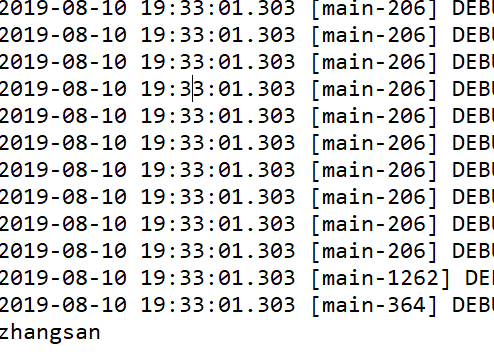
开启二级缓存后,默认查询单个的话是会使用二级缓存的,但是查询多条记录是不会使用二级缓存的;
并且在这里需要区分session级别的缓存与sessionfactory级别的缓存;
验证:创建一个dao方法:
package com.dao;


import org.hibernate.Session;
import org.hibernate.Transaction;

import com.entity.User;
import com.util.SessionFactoryUtils;

public class UserDao {

	public User get(User u) {
		Session session = SessionFactoryUtils.openSession();
		Transaction transaction = session.beginTransaction();

		User user = session.get(User.class, u.getId());


		transaction.commit();
		session.close();
		return user;
	}
}
演示查单个用户使用了缓存:
	package com.test;

import org.hibernate.Session;
import org.hibernate.Transaction;

import com.dao.UserDao;
import com.entity.User;
import com.util.SessionFactoryUtils;


/**
 * 演示查单个用户使用了缓存
 * @author Administrator
 *
 */
public class EhcacheDemo3 {
	/**
	 * 默认情况下,sql语句形成了三次,这里为了提高性能,必须使用二级缓存SessionFactory缓存
	 *  <!-- 开启二级缓存 -->
	 *  <property name="hibernate.cache.use_second_level_cache">true</property>
      <!-- 开启查询缓存 -->
      <property name="hibernate.cache.use_query_cache">true</property>
      <!-- EhCache驱动 -->
      <property name="hibernate.cache.region.factory_class">org.hibernate.cache.ehcache.EhCacheRegionFactory</property>

      	映射文件中添加标签
      	<cache usage="read-write" region="com.javaxl.one.entity.User"/>
      	这里的region指的是Ehcache.xml中cacheName
	 * @param args
	 */
	public static void main(String[] args) {
		UserDao userDao  = new UserDao();
		User u = new User();
		u.setId(7);
		User user = userDao.get(u);
		System.out.println(user);
		User user2 = userDao.get(u);
		System.out.println(user2);
		User user3 = userDao.get(u);
		System.out.println(user3);

	}

	/**
	 * 同一个session,sql语句只生成一次,这里用到了一级缓存
	 */
	public static void main() {
		Session session = SessionFactoryUtils.openSession();
		Transaction transaction = session.beginTransaction();

		User user = session.get(User.class, 7);
		System.out.println(user);
		User user2 = session.get(User.class, 7);
		System.out.println(user2);
		User user3 = session.get(User.class, 7);
		System.out.println(user3);

		transaction.commit();
		session.close();
	}
}

hibernate二级缓存不会同时缓存多条数据
package com.test;

import java.util.List;

import org.hibernate.Session;
import org.hibernate.Transaction;
import org.hibernate.query.Query;

import com.util.SessionFactoryUtils;


/**
 * hibernate二级缓存不会同时缓存多条数据
 * @author Administrator
 *
 */
public class EhcacheDemo4 {
	public static void main(String[] args) {
		Session session = SessionFactoryUtils.openSession();
		Transaction transaction = session.beginTransaction();

		Query query = session.createQuery("from User");
		query.setCacheable(true);
		List list = query.list();
		System.out.println(list);
		List list2 = query.list();
		System.out.println(list2);
		List list3 = query.list();
		System.out.println(list3);


		transaction.commit();
		session.close();
	}
}
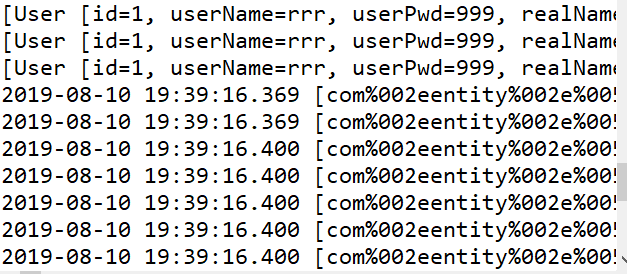
注:需要编写代码来开启二级缓存的
query.setCacheRegion("entity.Dict");//指定缓存策略,名字必须实体类的完整类名
query.setCacheable(true);//手动开启二级缓存