HashMap:
基于哈希表(数组+链表+二叉树(红黑树)) 在jdk1.8之后出现的二叉树 (链表长度大于8后,就排布成二叉树的形式,如果二叉树的节点减少到小于6,有会转变成链表) ,默认数组大小16,使用链表和红黑树的原因就是hash冲突(如果hash不冲突是不用使用链表和红黑树的)
当数组容量>75%(默认),需要扩充,扩充大小是元素组的两倍(2的整数倍),可以通过源码观察),一旦扩充,里面的数据就需用重新排列,非常耗性能,开发中尽量减少扩充次数,可以指定初始容量(tab[i = (n - 1) & hash]) n:数组的长度)
线程不安全;适合单线程使用,其中ConcurrentHashMap在putval内部实现synchronized 锁,并且支持红黑树,而HashTable在put方法上加锁,不支持红黑树。
注意我们所说的线程不安全是指当所有的线程公用一个hashmap的时候,比如在成员变量中定义的hashMap,而hashMap中的put操作没有加锁,就不安全。
如果在方法中定义hashmap,不用考虑安全的问题,方法是在栈中运行的,栈属于线程私有的。
hashMap是无序的,但是按照key遍历出来的值却是按照升序排列(所谓的无序是指不是按照插入的顺序排序)
class Test{
    //所有的线程公用
    HashMap hashMap = new HashMap();
    public void test(){
        //hashMap线程私有
        HashMap<Object, Object> hashMap = new HashMap<>();
    }
}
import java.util.Collection;
import java.util.HashMap;
import java.util.Map;
import java.util.Map.Entry;
import java.util.Set;

public class Test {
	public static void main(String[] args) {
		Map<Integer, String> map = new HashMap<>();
		map.put(1, "小明");
		map.put(2, "小花");
		map.put(3, "小草");
		//通过key取值
		//System.out.println(map.get(1));
		//遍历map  第一种遍历
		Set<Entry<Integer,String>> set = map.entrySet();
		for(Entry e:set){
			System.out.println(e+","+e.getKey()+","+e.getValue());
		}

		//第二种遍历键
		Set<Integer> Set = map.keySet();
		for(Integer x:Set){
			System.out.println(x+"->"+map.get(x));
		}
		//第三种遍历value
		Collection<String> str = map.values();
		for(String x:str){
			System.out.println(x);
		}
		//第四种使用foreach
		map.forEach((key,value)->System.out.println(key+"-->"+value));
	}
}
HashMap<Object, Object> hashMap = new HashMap<>();
Set<Map.Entry<Object, Object>> entries = hashMap.entrySet();
Iterator<Map.Entry<Object, Object>> iterator = entries.iterator();
源码分析
final V putVal(int hash, K key, V value, boolean onlyIfAbsent,
                   boolean evict) {
        Node<K,V>[] tab; Node<K,V> p; int n, i;
        if ((tab = table) == null || (n = tab.length) == 0)
            /*tab是一个数组,resize初始化数组*/
            n = (tab = resize()).length;
        /*(n - 1) & hash让key 永远小于n-1(数组长度-1,table[15]就是数组最后一位)*/
        /*数组的第一个元素为空*/
        if ((p = tab[i = (n - 1) & hash]) == null)
            tab[i] = newNode(hash, key, value, null);

        /*数组元素table[i]不为空*/
        else {
            Node<K,V> e; K k;
            /*如果hash值相等,key相等 p时候tab中的元素*/
            if (p.hash == hash &&
                    ((k = p.key) == key || (key != null && key.equals(k))))
                /*将老的元素赋值给e,返回给用户*/
                e = p;
            /*如果table[i]和添加的值key不一样,那么就开始遍历了,判断p是否属于红黑树*/
            else if (p instanceof TreeNode)
                e = ((HashMap.TreeNode<K,V>)p).putTreeVal(this, tab, hash, key, value);
            /*如果p属于链表链表,那么就开始遍历每一个链表*/
            else {
                for (int binCount = 0; ; ++binCount) {
                    /*给e赋值*/
                    if ((e = p.next) == null) {
                        p.next = newNode(hash, key, value, null);
                        if (binCount >= TREEIFY_THRESHOLD - 1) // -1 for 1st
                            /*将链表转为红黑树*/
                            treeifyBin(tab, hash);
                        break;
                    }
                    if (e.hash == hash &&
                            ((k = e.key) == key || (key != null && key.equals(k))))
                        break;
                    /*表示遍历到了最后,给p添加一个值*/
                    p = e;
                }
            }
            /*如果e为空返回null,如果不为空,返回被覆盖元素的value*/
            if (e != null) { // existing mapping for key
                V oldValue = e.value;
                if (!onlyIfAbsent || oldValue == null)
                    e.value = value;
                afterNodeAccess(e);
                return oldValue;
            }
        }
        ++modCount;
        if (++size > threshold) //size>0.75*容量,就扩增
            resize();
        afterNodeInsertion(evict);
        return null;
    }
final Node<K,V>[] resize() {
        Node<K,V>[] oldTab = table;
        int oldCap = (oldTab == null) ? 0 : oldTab.length;
        int oldThr = threshold;
        int newCap, newThr = 0;
        if (oldCap > 0) {
            if (oldCap >= MAXIMUM_CAPACITY) {
                threshold = Integer.MAX_VALUE;
                return oldTab;
            }
            else if ((newCap = oldCap << 1) < MAXIMUM_CAPACITY &&
                    oldCap >= DEFAULT_INITIAL_CAPACITY)
                newThr = oldThr << 1; // double threshold
        }
        else if (oldThr > 0) // initial capacity was placed in threshold
            newCap = oldThr;
        else {               // zero initial threshold signifies using defaults
            newCap = DEFAULT_INITIAL_CAPACITY;
            newThr = (int)(DEFAULT_LOAD_FACTOR * DEFAULT_INITIAL_CAPACITY);
        }
        if (newThr == 0) {
            float ft = (float)newCap * loadFactor;
            newThr = (newCap < MAXIMUM_CAPACITY && ft < (float)MAXIMUM_CAPACITY ?
                    (int)ft : Integer.MAX_VALUE);
        }
        threshold = newThr;
        @SuppressWarnings({"rawtypes","unchecked"})
        Node<K,V>[] newTab = (Node<K,V>[])new Node[newCap];
        table = newTab;


        /*第一次初始化的时候,oldTab为null,之后当扩增的时候oldTab就有值了*/
        /*扩增后将oldTab转移到新的newTab中*/
        if (oldTab != null) {
            for (int j = 0; j < oldCap; ++j) {
                Node<K,V> e;
                if ((e = oldTab[j]) != null) {
                    oldTab[j] = null;

                    /*如果e下面没有字数据,直接将e添加到newTab中*/
                    if (e.next == null)
                        newTab[e.hash & (newCap - 1)] = e;

                    /*如果e是红黑数的数据结构*/
                    else if (e instanceof TreeNode)
                        ((TreeNode<K,V>)e).split(this, newTab, j, oldCap);

                    /*如果e是链表的数据结构*/
                    else { // preserve order
                        Node<K,V> loHead = null, loTail = null;
                        Node<K,V> hiHead = null, hiTail = null;
                        Node<K,V> next;
                        /*核心(e.hash & oldCap), 利用它来判断它在newTab中的位置*/
                        do {
                            next = e.next;
                            /*原hash值(二进制)倒数第5位如果是0,在newTab中位置不变(这个数字5是根据oldCap得来的(当oldCap为16(10000),就是5))*/
                            if ((e.hash & oldCap) == 0) {
                                if (loTail == null)
                                    loHead = e;
                                else
                                    loTail.next = e;
                                loTail = e;
                            }
                            /*原hash值(二进制)倒数第5位如果是1,则位置=原来位置+oldCap*/
                            else {
                                if (hiTail == null)
                                    hiHead = e;
                                else
                                    hiTail.next = e;
                                hiTail = e;
                            }
                        } while ((e = next) != null);
                        if (loTail != null) {
                            loTail.next = null;
                            newTab[j] = loHead;
                        }
                        if (hiTail != null) {
                            hiTail.next = null;
                            newTab[j + oldCap] = hiHead;
                        }
                    }
                }
            }
        }
        return newTab;
    }
HashTable:
基于hash表实现(数组加链表,没有实现红黑树)
默认数组大小为11,加载因子为0.75
扩充方法:原数组大小 *2 + 1,原因就是减少hash碰撞
添加数据的时候,首先是遍历tab[x]的一条链表,如果插入数据key重复,直接替换Entry中的value,返回oldvalue,如果没有重复数据,从链表的头部插入数据。
线程安全
import java.util.Hashtable;
import java.util.Map;

public class Test {
	public static void main(String[] args) {
       Map<Integer,String> table = new Hashtable<>();
       table.put(1, "one");
       table.put(2, "two");
       table.put(3, "three");

       table.forEach((key,value)->System.out.println(key+","+value));
	}
}
源码分析
public synchronized V put(K key, V value) {
        // Make sure the value is not null
        if (value == null) {
            throw new NullPointerException();
        }

        // Makes sure the key is not already in the hashtable.
        Hashtable.Entry<?,?> tab[] = table;
        int hash = key.hashCode();
        int index = (hash & 0x7FFFFFFF) % tab.length;
        @SuppressWarnings("unchecked")
        Hashtable.Entry<K,V> entry = (Hashtable.Entry<K,V>)tab[index];

        /*遍历链表(hash发生碰撞的链表),看看是否有重复的key*/
        for(; entry != null ; entry = entry.next) {
            if ((entry.hash == hash) && entry.key.equals(key)) {
                V old = entry.value;
                entry.value = value;
                return old;
            }
        }
        /*插入一个新的数据*/
        addEntry(hash, key, value, index);
        return null;
    }
    private void addEntry(int hash, K key, V value, int index) {
        modCount++;

        Hashtable.Entry<?,?> tab[] = table;
        if (count >= threshold) {
            // Rehash the table if the threshold is exceeded
            /*开始扩增*/
            rehash();
            tab = table;
            hash = key.hashCode();
            index = (hash & 0x7FFFFFFF) % tab.length;
        }

        // Creates the new entry.
        @SuppressWarnings("unchecked")
        Hashtable.Entry<K,V> e = (Hashtable.Entry<K,V>) tab[index];
        /*从链表的头部添加数据,原来的数据e,放在新的数据后面*/
        tab[index] = new Hashtable.Entry<>(hash, key, value, e);
        count++;
    }
LinkedHashMap:
帮我们保持插入是的顺序
LinkedHashMap是HashMap的子类
此类使用双重链表来维护元素的添加的顺序,HashMap执行put后,会调用afterNodeInsertion方法,LinkedHashMap重载了这个方法,用来put数据后的处理的。
import java.util.LinkedHashMap;
import java.util.Map;

public class Test {
	public static void main(String[] args) {
       Map<Integer,String> table = new LinkedHashMap<>();
       table.put(1, "one");
       table.put(2, "two");
       table.put(3, "three");

       table.forEach((key,value)->System.out.println(key+","+value));
	}
}
TreeMap:
只基于二叉树的红黑树(平衡二叉树)
注意,如果遇到重复的数据,key不变,新的value会替换老的value(默认情况)
import java.util.Map;
import java.util.TreeMap;

public class Test {
	public static void main(String[] args) {
       Map<Dog,String> table = new TreeMap<>();
//       table.put(1, "one");
//       table.put(3, "three");
//       table.put(2, "two");
       table.put(new Dog(10,"1哈"), "dog1");
       table.put(new Dog(30,"2哈"), "dog1");
       table.put(new Dog(20,"3哈"), "dog1");
       table.forEach((key,value)->System.out.println(key+","+value));
	}
}
class Dog implements Comparable<Dog>{
	private int age;
	private String name;

	public Dog(int age, String name) {
		super();
		this.age = age;
		this.name = name;
	}

	@Override
	public int compareTo(Dog o) {
		return this.age-o.age;
	}

	@Override
	public String toString() {
		return "Dog [age=" + age + ", name=" + name + "]";
	}
}
ConcurrentHashMap:
线程安全,效率较高
补充
Map接口 新特性(1.8之后)
import java.util.HashMap;
import java.util.Map;

public class Test {
	public static void main(String[] args) {
		Map<Integer, String> map = new HashMap<>();
		map.put(1, "one");
		map.put(2, "two");
		map.put(3, "three");

		//1
		//String value = map.getOrDefault(4, "null"); //"null",表示为字符串null
		//System.out.println(value);

		//2
		//map.putIfAbsent(3, "test"); //此时的value不会覆盖three;
		//map.put(3, "test"); //test会覆盖three;

		//3
		//map.remove(4);//只要key存在就删除,不存在不报错
		//map.remove(1, "test"); //必须key和value同时存在才可以删除;

		//4
		//map.replace(5, "test");//只要key存在就替换,不存在不报错
		//map.replace(1, "one", "test"); //只有key和value同时存在,test才可以替换one;

		//5
		//map.compute(1, (k,v)->v+"one大礼包");//将"v+"one大礼包""这个值重新赋值给value;
		//map.computeIfAbsent(5,(k)->k+"test");//当5不存在的时候,才执行;

		//6
		//map.merge(1, "new_val", (old_val,new_val)->old_val=new_val);//如果key=1不存在,就创建一个新的key=1,value="new_val"

		map.forEach((k,v)->System.out.println(k+","+v));
	}
Optional类的使用
import java.util.Optional;

public class Test {
	public static void main(String[] args) {
		//创建Optional对象的方式
		Optional<String> opt = Optional.of("bin");
		//Optional<String> opt1 = Optional.ofNullable("bin");
		//Optional<String> opt2 = Optional.empty();

		//判断opt是不是为空
		System.out.println(opt.isPresent());

		//取出opt中的值
		System.out.println(opt.get());

		//如果存在值,则使用该值调用指定的消费者,否则不执行任何操作。
		opt.ifPresent((val)->System.out.println(val));

		//跟多查看api
	}
}
表格数据的存储
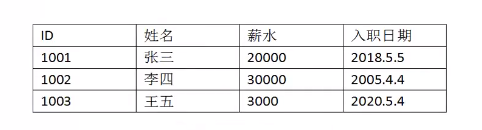
方式1:每一个行数据用hashMap存储,整张表用list存储
方式2:orm思想,每一行数据对应一个javabean,整个表的数据用list存储
重写equals还要重写hashcode?
首先我们知道hashcode。在hash表中决定了这个对象在数组中的存放位置。(通过计算key的hash值经过与元算,就能第一时间找到对象,所以hashMap的查询非常快)