web.xml
它的作用是配置初始化信息,如web页面、servlet、servlet-mapping、filter、listener、启动加载级别等。
SpringMVC 通过servlet拦截所有的URL来达到控制的目的,所以它必须要有web.xml
比较关键的配置是:
-
contextConfigLocation 配置spring配置文件地址
-
DispatcherServlet 前端控制器
程序入口
ContextLoaderListener.initWebApplicationContext().createWebApplicationContext()
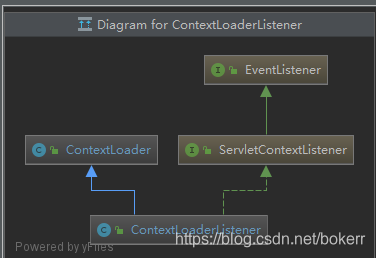
加载ApplicationContext 并注入Servlet容器
先判断contextClass 属性是否配置,否则加载默认的:XmlWebApplicationContext
protected Class<?> determineContextClass(ServletContext servletContext) {
   	String contextClassName = servletContext.getInitParameter(CONTEXT_CLASS_PARAM);
   	if (contextClassName != null) {
   		try {
   			return ClassUtils.forName(contextClassName, ClassUtils.getDefaultClassLoader());
   		}
   		catch (ClassNotFoundException ex) {
   			throw new ApplicationContextException(
   					"Failed to load custom context class [" + contextClassName + "]", ex);
   		}
   	}
   	else {
   		// 默认值:org.springframework.web.context.support.XmlWebApplicationContext 可继承它修改容器配置
   		contextClassName = defaultStrategies.getProperty(WebApplicationContext.class.getName());
   		try {
   			return ClassUtils.forName(contextClassName, ContextLoader.class.getClassLoader());
   		}
   		catch (ClassNotFoundException ex) {
   			throw new ApplicationContextException(
   					"Failed to load default context class [" + contextClassName + "]", ex);
   		}
   	}
   }
ContextLoader 中的static 静态语句块可以知道加载的配置文件是: ContextLoader.properties
static {
		// Load default strategy implementations from properties file.
		// This is currently strictly internal and not meant to be customized
		// by application developers.
		try {
			// DEFAULT_STRATEGIES_PATH = ContextLoader.properties
			ClassPathResource resource = new ClassPathResource(DEFAULT_STRATEGIES_PATH, ContextLoader.class);
			defaultStrategies = PropertiesLoaderUtils.loadProperties(resource);
		}
		catch (IOException ex) {
			throw new IllegalStateException("Could not load 'ContextLoader.properties': " + ex.getMessage());
		}
	}
以上为容器加载阶段,详细细节之前章节已经讲述,不再赘述
ContextLoader 的 initWebApplicationContext 方法中,发现如下代码:
servletContext.setAttribute(WebApplicationContext.ROOT_WEB_APPLICATION_CONTEXT_ATTRIBUTE, this.context);
servlet容器持有该引用
servlet
Servlet是按照servlet规范使用Java编写的程序,基于HTTP协议运行在服务器端,它的声明周期分为:初始化、运行、销毁。
初始化
- servlet容器加载servlet类,把它的.class字节码文件读取到内存中
- servlet容器创建一个ServletConfig对象,它包含该servlet的初始化配置信息
- servlet容器创建一个 servlet 对象
- servlet容器调用servlet对象的init() 方法进行初始化
运行阶段
- servlet容器接收到请求时,会根据请求创建一个servletRequest(请求信息) 对象和servletResponse(封装返回信息) 对象,
调用service方法并处理请求,通过servletResponse相应请求后销毁这两个对象。
销毁阶段
- Web应用终止,servlet容器调用servlet对象的destory方法,然后销毁servlet对象以及相关的 servletConfig对象。
DispatcherServlet
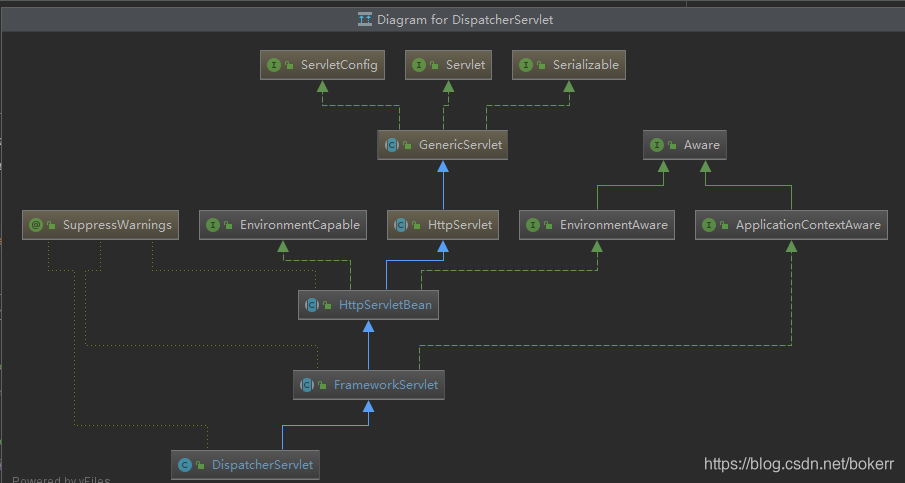
它是SpringMVC的核心, 是servlet的一个实现类
初始化
在它的父类HttpServletBean中找到了init方法的调用
该方法只是初始的配置信息加载
public final void init() throws ServletException {
		if (logger.isDebugEnabled()) {
			logger.debug("Initializing servlet '" + getServletName() + "'");
		}

		// Set bean properties from init parameters.
		// 解析 <init-param> 并验证
		// requiredProperties 配置必须要的参数,否则抛出异常
		PropertyValues pvs = new ServletConfigPropertyValues(getServletConfig(), this.requiredProperties);
		if (!pvs.isEmpty()) {
			try {
				// servlet 转为 BeanWrapper 从而可以像spring那样 对 init-param 的值进行注入
				BeanWrapper bw = PropertyAccessorFactory.forBeanPropertyAccess(this);
				ResourceLoader resourceLoader = new ServletContextResourceLoader(getServletContext());
				bw.registerCustomEditor(Resource.class, new ResourceEditor(resourceLoader, getEnvironment()));
				initBeanWrapper(bw);// 钩子函数
				bw.setPropertyValues(pvs, true);// 注册到自定义属性编辑器
			}
			catch (BeansException ex) {
				if (logger.isErrorEnabled()) {
					logger.error("Failed to set bean properties on servlet '" + getServletName() + "'", ex);
				}
				throw ex;
			}
		}

		// Let subclasses do whatever initialization they like.
		initServletBean();// 钩子函数

		if (logger.isDebugEnabled()) {
			logger.debug("Servlet '" + getServletName() + "' configured successfully");
		}
	}
继续,在父类 FrameworkServlet 中找到了钩子函数:initServletBean方法的具体实现:
有模板方法模式那味儿了,很遗憾这里还是准备工作
@Override
	protected final void initServletBean() throws ServletException {
		getServletContext().log("Initializing Spring FrameworkServlet '" + getServletName() + "'");
		if (logger.isInfoEnabled()) {
			logger.info("FrameworkServlet '" + getServletName() + "': initialization started");
		}
		long startTime = System.currentTimeMillis();

		try {
			// 对WebApplicationContext进一步初始化和补充
			this.webApplicationContext = initWebApplicationContext();
			initFrameworkServlet();
		}
		catch (ServletException | RuntimeException ex) {
			logger.error("Context initialization failed", ex);
			throw ex;
		}

		if (logger.isInfoEnabled()) {
			long elapsedTime = System.currentTimeMillis() - startTime;
			logger.info("FrameworkServlet '" + getServletName() + "': initialization completed in " +
					elapsedTime + " ms");
		}
	}
然后 initWebApplicationContext() 方法对容器进一步初始化和补充
protected WebApplicationContext initWebApplicationContext() {// 对WebApplicationContext进一步初始化和补充
		WebApplicationContext rootContext =
				WebApplicationContextUtils.getWebApplicationContext(getServletContext());// 从 容器 servletContext 中获取
		WebApplicationContext wac = null;

		if (this.webApplicationContext != null) { // webApplicationContext 是否在构造函数中被注入 (未解析过)  new DispatcherServlet()->.super(WebApplicationContext)
			wac = this.webApplicationContext;
			if (wac instanceof ConfigurableWebApplicationContext) {
				ConfigurableWebApplicationContext cwac = (ConfigurableWebApplicationContext) wac;
				if (!cwac.isActive()) {
					if (cwac.getParent() == null) {
						cwac.setParent(rootContext);
					}
					configureAndRefreshWebApplicationContext(cwac);
				}
			}
		}
		if (wac == null) {
			// WebApplicationContext 是否被 contextAttribute 属性注入
			wac = findWebApplicationContext();
		}
		if (wac == null) {
			// 既无构造器注入,也无contextAttribute属性注入,那么通过初始化的 WebApplicationContext 构造新的容器
			wac = createWebApplicationContext(rootContext);
		}

		if (!this.refreshEventReceived) {
			synchronized (this.onRefreshMonitor) {
				onRefresh(wac);// 加载配置  钩子,由子类 DispatcherServlet 实现,用于 Spring Web功能的 相关解析器的初始化
			}
		}

		if (this.publishContext) {
			String attrName = getServletContextAttributeName();
			getServletContext().setAttribute(attrName, wac);
		}

		return wac;
	}
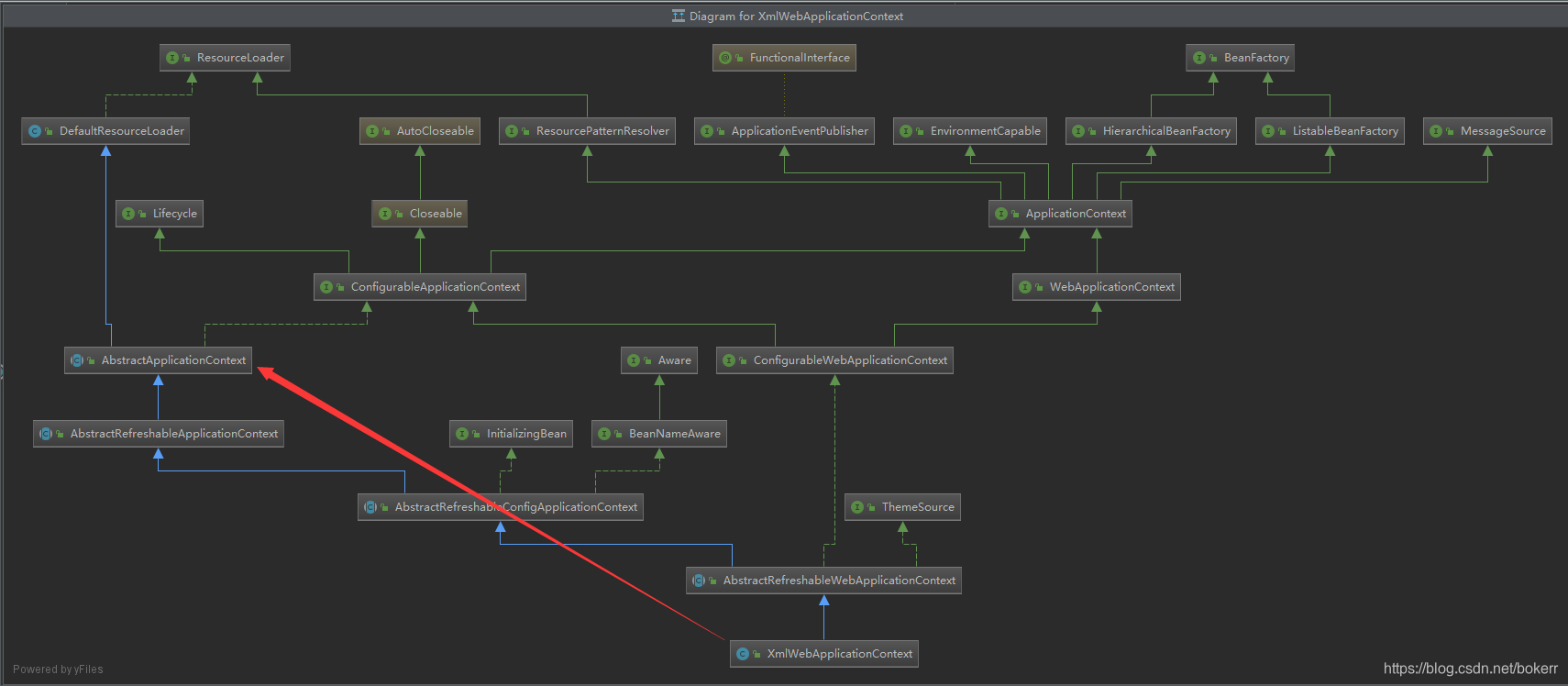
跟进 方法configureAndRefreshWebApplicationContext() 发现了我们的老朋友 refresh() 方法,是不是很眼熟?
ApplicationContext 容器加载过程中 它近乎是一切的起点了,查看默认的容器类XmlWebApplicationContext 的类图不难证实这点
protected void configureAndRefreshWebApplicationContext(ConfigurableWebApplicationContext wac) {
		...
		......
		.........
		wac.refresh();// ConfigurableApplicationContext.refresh() <-   AbstractApplicationContext.refresh() <- XmlWebApplicationContext
	}
然后看initWebApplicationContext()方法内调用的,onRefresh()方法
FrameworkServlet 类中找到的onRefresh() 又是空方法,不解释,钩子函数它又来了,最后回到DispatcherServlet类,发现了该方法的具体定义:
该方法的主要功能是刷新Spring在Web功能实现中所必须使用的全局变量的初始化
从配置文件:DispatcherServlet.properties 可得知部分全局变量所使用的默认值
    @Override
	protected void onRefresh(ApplicationContext context) {// 用于 Spring Web功能的 相关解析器的初始化
		initStrategies(context);
	}

	/**
	 * Initialize the strategy objects that this servlet uses.
	 * <p>May be overridden in subclasses in order to initialize further strategy objects.
	 */
	protected void initStrategies(ApplicationContext context) {// 各个全局功能解析器初始化

		initMultipartResolver(context);// 处理文件上传

		initLocaleResolver(context);// 国际化配置? 基于:url  session  cookie 支持国际化

		initThemeResolver(context);// Theme主题控制网页风格

		// 可以有多个HandleMapping,根据优先级访问,直到获取到可用的Handle 为止 (Ordered 接口控制)
		initHandlerMappings(context);// 处理客户端发起的Request请求,根据WebApplicationContext的配置来,回传给 DispatcherServler 对应的Controller

		// DispatcherServlet 通过处理器映射(HandleMapping)配置,得到处理器(Handle),之后会轮询处理器(Handle)的<配适器模块>
		// 并查找能够处理当前HTTP请求的处理器(Handle),的配适器实现(Adapter)
		// org.springframework.web.servlet.mvc.HttpRequestHandlerAdapter  对Http请求处理器进行配适  OtherClass <- HttpAdapter <-  HttpHandle
		// org.springframework.web.servlet.mvc.SimpleControllerHandlerAdapter  将Http请求配饰到一个Controller 的实现进行处理
		// org.springframework.web.servlet.mvc.method.annotation.RequestMappingHandlerAdapter  用于执行Controller方法的配适器,对注解方式的支持
		initHandlerAdapters(context);// 配适器

		initHandlerExceptionResolvers(context);// 异常处理

		initRequestToViewNameTranslator(context);// 当Controller没有返回任何View对象或者逻辑视图名称,并在该方法中没有向response的输出流里面写任何数据,那么spring会使用约定方式提供一个逻辑视图名称。

		// resolverViewName 方法 根据 viewName创建合适的View 实现
		initViewResolvers(context);// Controller 计算结束后将结果封装到ModleAndView,DispatcherServlet 会根据ModleAndView 选择合适的视图进行渲染

		initFlashMapManager(context);// SpringMVC Flash attributes 提供了属性存储功能,可够重定向时其它请求使用
	}
DispatcherServlet 的逻辑处理
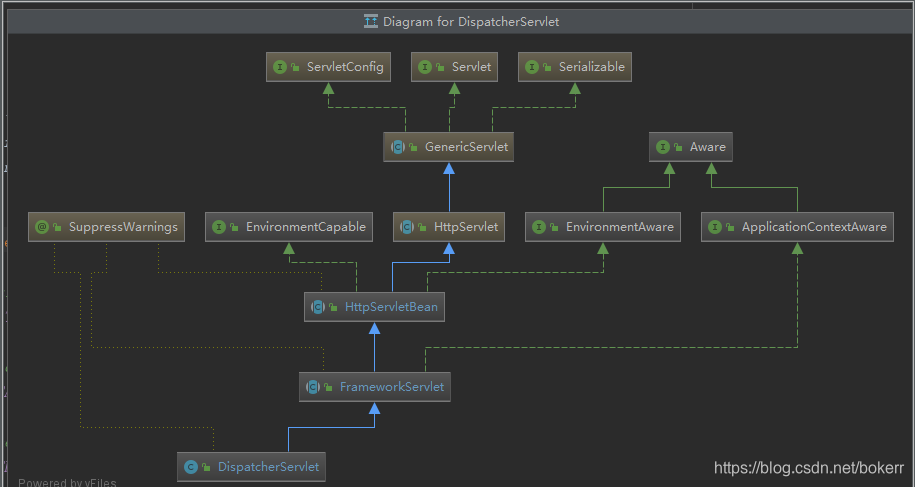
看 HttpServlet 类的结构 看关键的doGet和doPost,在FrameworkServlet类中找到了如下方法实现:
    @Override
	protected final void doGet(HttpServletRequest request, HttpServletResponse response)
			throws ServletException, IOException {

		processRequest(request, response);
	}


	@Override
	protected final void doPost(HttpServletRequest request, HttpServletResponse response)
			throws ServletException, IOException {

		processRequest(request, response);
	}

	protected final void processRequest(HttpServletRequest request, HttpServletResponse response)
    			throws ServletException, IOException {
    		// 主要目的:提取请求参数,用于重定向
    		long startTime = System.currentTimeMillis();
    		Throwable failureCause = null;

    		LocaleContext previousLocaleContext = LocaleContextHolder.getLocaleContext();// 为了后续请求能使用提取属性
    		LocaleContext localeContext = buildLocaleContext(request);

    		RequestAttributes previousAttributes = RequestContextHolder.getRequestAttributes();// 为了后续请求能使用提取属性
    		ServletRequestAttributes requestAttributes = buildRequestAttributes(request, response, previousAttributes);

    		WebAsyncManager asyncManager = WebAsyncUtils.getAsyncManager(request);
    		asyncManager.registerCallableInterceptor(FrameworkServlet.class.getName(), new RequestBindingInterceptor());

    		// 初始化
    		initContextHolders(request, localeContext, requestAttributes);
    		try {
    			// 准备工作 具体实现由 DispatcherServlet 提供
    			doService(request, response);
    		}
    		catch (ServletException | IOException ex) {
    			failureCause = ex;
    			throw ex;
    		}
    		catch (Throwable ex) {
    			failureCause = ex;
    		}
    		finally {
    			resetContextHolders(request, previousLocaleContext, previousAttributes);// 设置提取的请求参数,用于重定向
    			if (requestAttributes != null) {
    				requestAttributes.requestCompleted();
    			}
     			publishRequestHandledEvent(request, response, startTime, failureCause);// 事件通知
    		}
    	}
忽略准备工作:doService().doDispatch(HttpServletRequest request, HttpServletResponse response)
如下为核心代码逻辑,之前提到的全部变量配置将登上舞台了
protected void doDispatch(HttpServletRequest request, HttpServletResponse response) throws Exception {
		HttpServletRequest processedRequest = request;
		HandlerExecutionChain mappedHandler = null;
		boolean multipartRequestParsed = false;

		// 当业务比较复杂时启用另一个线程
		WebAsyncManager asyncManager = WebAsyncUtils.getAsyncManager(request);// 管理异步请求处理的中心类,通常不由应用程序类直接使用。

		try {
			ModelAndView mv = null;
			Exception dispatchException = null;
			try {
				// 检查全局变量
				// 如果请求类型为:multipartContent 将 HttpServletRequest 转为 MultipartHttpServletRequest  (包装器 ? 策略模式)
				processedRequest = checkMultipart(request);
				multipartRequestParsed = (processedRequest != request);// 检查原类型   包装 /  代理

				// Determine handler for the current request.
				// 根据URL 匹配
				mappedHandler = getHandler(processedRequest);// 按优先级从各个HandleMapping 中获取Handle
				if (mappedHandler == null) {
					noHandlerFound(processedRequest, response);
					return;
				}
				HandlerAdapter ha = getHandlerAdapter(mappedHandler.getHandler());// 根据handle 获取匹配的配适器 Adapter
				String method = request.getMethod();
				boolean isGet = "GET".equals(method);
				if (isGet || "HEAD".equals(method)) {// last-modified(缓存处理机制)  请求头处理 <最后修改时间>
					long lastModified = ha.getLastModified(request, mappedHandler.getHandler());
					// 未变化? 最后修改时间未变?  过滤重复请求???
					if (new ServletWebRequest(request, response).checkNotModified(lastModified) && isGet) {
						return;
					}
				}

				// 调用拦截器的preHandle方法
				if (!mappedHandler.applyPreHandle(processedRequest, response)) {
					return;
				}

				// Actually invoke the handler.
				// 激活Handle 并返回视图  (由配适器的 handle方法完成 )
				// 查看配置文件DispatcherServlet.properties 可以知道  HandlerAdapter ha 的具体实现类,跟踪handle方法:
				mv = ha.handle(processedRequest, response, mappedHandler.getHandler());

				if (asyncManager.isConcurrentHandlingStarted()) {
					return;
				}

				applyDefaultViewName(processedRequest, mv);// 视图名称处理
				// 调用所有拦截器的postHandle 方法,如果存在的话
				mappedHandler.applyPostHandle(processedRequest, response, mv);
			}
			catch (Exception ex) {
				dispatchException = ex;
			}
			catch (Throwable err) {
				dispatchException = new NestedServletException("Handler dispatch failed", err);
			}
			processDispatchResult(processedRequest, response, mappedHandler, mv, dispatchException);
		}
		catch (Exception ex) {
			// 完成处理后,激活触发器
			triggerAfterCompletion(processedRequest, response, mappedHandler, ex);
		}
		catch (Throwable err) {
			// 完成处理后,激活触发器
			triggerAfterCompletion(processedRequest, response, mappedHandler,
					new NestedServletException("Handler processing failed", err));
		}
		finally {
			if (asyncManager.isConcurrentHandlingStarted()) {
				if (mappedHandler != null) {
					mappedHandler.applyAfterConcurrentHandlingStarted(processedRequest, response);
				}
			}
			else {
				if (multipartRequestParsed) {
					cleanupMultipart(processedRequest);
				}
			}
		}
	}
查看配置文件 DispatcherServlet.properties 可以知道 HandlerAdapter ha 的具体实现类,跟踪handle方法:
org.springframework.web.servlet.HandlerAdapter=org.springframework.web.servlet.mvc.HttpRequestHandlerAdapter,
org.springframework.web.servlet.mvc.SimpleControllerHandlerAdapter,
org.springframework.web.servlet.mvc.method.annotation.RequestMappingHandlerAdapter
org.springframework.web.servlet.HandlerMapping=org.springframework.web.servlet.handler.BeanNameUrlHandlerMapping,
org.springframework.web.servlet.mvc.method.annotation.RequestMappingHandlerMapping
- getHandle()
AbstractHandlerMapping.getHandel().[ AbstractUrlHandlerMapping.getHandlerInternal() ]
根据请求url获取handel
protected Object getHandlerInternal(HttpServletRequest request) throws Exception {
		String lookupPath = getUrlPathHelper().getLookupPathForRequest(request);// 截取 url
		Object handler = lookupHandler(lookupPath, request);// 根据 url 获取 handle
		if (handler == null) {// 获取到的解析器为空
			// We need to care for the default handler directly, since we need to
			// expose the PATH_WITHIN_HANDLER_MAPPING_ATTRIBUTE for it as well.
			Object rawHandler = null;
			if ("/".equals(lookupPath)) {// 请求路径仅为根路径: 则使用RootHandle处理
				rawHandler = getRootHandler();
			}
			if (rawHandler == null) {
				rawHandler = getDefaultHandler();// 否则设置默认的 Handle
			}
			if (rawHandler != null) { // 默认 Handle 可能为空
				// Bean name or resolved handler?
				if (rawHandler instanceof String) { // 若查找的 Handle 类型为String 则为beanName 否则为 Handle 本身
					String handlerName = (String) rawHandler;
					rawHandler = obtainApplicationContext().getBean(handlerName);// 从容器中获取
				}
				validateHandler(rawHandler, request);// 校验钩子函数

				// 初始化 Handle ???  HandlerExecutionChain 对 Handle 进行包装
				handler = buildPathExposingHandler(rawHandler, lookupPath, lookupPath, null);
			}
		}
		if (handler != null && logger.isDebugEnabled()) {
			logger.debug("Mapping [" + lookupPath + "] to " + handler);
		}
		else if (handler == null && logger.isTraceEnabled()) {
			logger.trace("No handler mapping found for [" + lookupPath + "]");
		}
		return handler;
	}
2.getHandlerAdapter
根据handel获取配饰器Adapter
SimpleControllerHandlerAdapter.suport
public boolean supports(Object handler) {
		return (handler instanceof Controller);
	}
看到controller主要解析就完成了,剩下的事情就是处理请求,并绑定视图放回,以及当发生异常时对异常视图进行处理。