StringBuilder、StringBuffer源码分析
StringBuilder源码分析
类结构
public final class StringBuilder
    extends AbstractStringBuilder
    implements java.io.Serializable, CharSequence
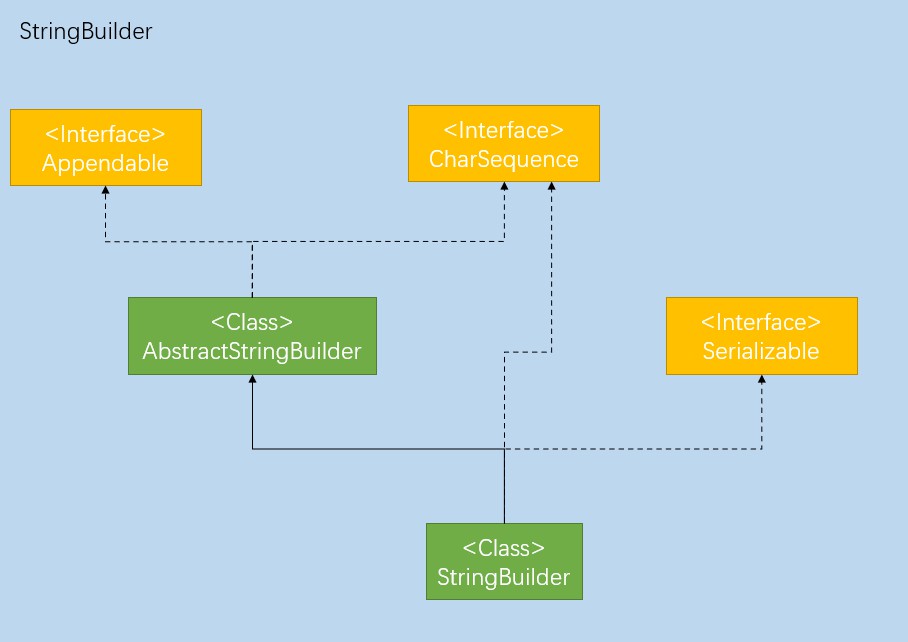
StringBuilder使用final关键字修饰,和String一样不可以被继承
StringBuilder继承AbstractStringBuilder并实现了Serializable和CharSequence,可以被序列化
方法
StringBuilder 的方法多是直接调用父类AbstractStringBuilder的方法,这里找几个典型的方法看一下
StringBuilder append(Object obj)方法重写父类的方法,追加Object类型的元素
@Override
    public StringBuilder append(Object obj) {
        return append(String.valueOf(obj));//String.valueOf(obj)获取对象转换成的字符串
    }
public static String valueOf(Object obj) {
        return (obj == null) ? "null" : obj.toString();
    }
@Override
    public StringBuilder append(String str) {
        super.append(str);
        return this;
    }
public AbstractStringBuilder append(String str) {
        if (str == null)
            return appendNull();//如果为null追加字符串“null”
        int len = str.length();
        ensureCapacityInternal(count + len);
  //拷贝字符串到数组
        str.getChars(0, len, value, count);
        count += len;
        return this;
    }
StringBuilder delete(int start, int end)删除指定起点下标到指定结束下标的字符
@Override
    public StringBuilder delete(int start, int end) {
        super.delete(start, end);
        return this;
    }
public AbstractStringBuilder delete(int start, int end) {
        if (start < 0)
            throw new StringIndexOutOfBoundsException(start);
        if (end > count)//如果结束下标>当前保存char的最大下标,直接赋值为最大下标
            end = count;
        if (start > end)
            throw new StringIndexOutOfBoundsException();
        int len = end - start;
        if (len > 0) {
          //把删除尾下标后的元素拷贝到删除起始下标后
            System.arraycopy(value, start+len, value, start, count-end);
            count -= len;
        }
        return this;
    }
StringBuilder replace(int start, int end, String str)使用字符串替换指定范围内的字符
@Override
    public StringBuilder replace(int start, int end, String str) {
        super.replace(start, end, str);
        return this;
    }
 public AbstractStringBuilder replace(int start, int end, String str) {
        if (start < 0)
            throw new StringIndexOutOfBoundsException(start);
        if (start > count)
            throw new StringIndexOutOfBoundsException("start > length()");
        if (start > end)
            throw new StringIndexOutOfBoundsException("start > end");

        if (end > count)
            end = count;
        int len = str.length();
   //计算需要的容量
        int newCount = count + len - (end - start);
   //扩容
        ensureCapacityInternal(newCount);
	//删除指定范围的字符
        System.arraycopy(value, end, value, start + len, count - end);
   //在删除的起始位置插入字符串
        str.getChars(value, start);
        count = newCount;
        return this;
    }
StringBuilder insert(int offset, Object obj)在指定位置插入对象
@Override
    public StringBuilder insert(int offset, Object obj) {
            super.insert(offset, obj);
            return this;
    }
public AbstractStringBuilder insert(int offset, Object obj) {
        return insert(offset, String.valueOf(obj));//String.valueOf(obj)获取对象转换的字符串
    }
public static String valueOf(Object obj) {
        return (obj == null) ? "null" : obj.toString();
    }
 @Override
    public StringBuilder insert(int offset, String str) {
        super.insert(offset, str);
        return this;
    }
public AbstractStringBuilder insert(int offset, String str) {
        if ((offset < 0) || (offset > length()))
            throw new StringIndexOutOfBoundsException(offset);
        if (str == null)
            str = "null";
        int len = str.length();
  	//扩容
        ensureCapacityInternal(count + len);
  //把要插入位置后一定数量的字符(插入字符串长度)串移动后移一定距离(插入字符串长度)
        System.arraycopy(value, offset, value, offset + len, count - offset);
  	//插入要插入的字符串
        str.getChars(value, offset);
        count += len;
        return this;
    }
可以看到,StringBuilder的append、insert、replace、delete都是对父类的char数组进行的一些操作,并没有产生新的对象
String toString() 最精髓的一个方法
@Override
    public String toString() {
        //把进过一些列修改后的最终char数组生成String
        return new String(value, 0, count);
    }
这里我们看到在toString的时候,把char数组生成了String,这也是为什么StringBuilder比String效率高的原因,String类没做一点修改都会生成新的对象,那么在频繁拼串和截取字符串时,效率当然不如StringBuilder
StringBuffer源码分析
类结构
public final class StringBuffer
    extends AbstractStringBuilder
    implements java.io.Serializable, CharSequence
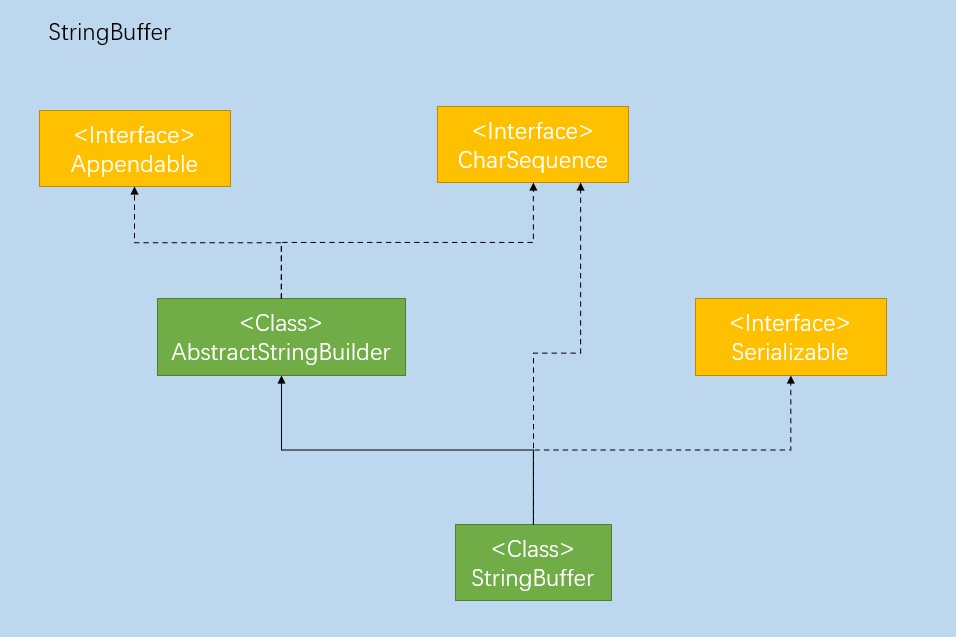
StringBuffer的类结构和StringBuilder的一样
方法
StringBuffer和StringBuilder一样,很多方法都是调用父类AbstractStringBuilder的方法,我们看几个最主要的方法
StringBuffer append(Object obj)向StringBuffer中追加对象,和StringBuilder的追加对象一样的代码
@Override
    public synchronized StringBuffer append(Object obj) {
        toStringCache = null;
        super.append(String.valueOf(obj));
        return this;
    }
public AbstractStringBuilder append(String str) {
        if (str == null)
            return appendNull();
        int len = str.length();
        ensureCapacityInternal(count + len);
        str.getChars(0, len, value, count);
        count += len;
        return this;
    }
public void getChars(int srcBegin, int srcEnd, char dst[], int dstBegin) {
        if (srcBegin < 0) {
            throw new StringIndexOutOfBoundsException(srcBegin);
        }
        if (srcEnd > value.length) {
            throw new StringIndexOutOfBoundsException(srcEnd);
        }
        if (srcBegin > srcEnd) {
            throw new StringIndexOutOfBoundsException(srcEnd - srcBegin);
        }
        System.arraycopy(value, srcBegin, dst, dstBegin, srcEnd - srcBegin);
    }
StringBuffer delete(int start, int end)删除指定范围内的字符,和StringBuilder中delete方法代码一样
@Override
    public synchronized StringBuffer delete(int start, int end) {
        toStringCache = null;
        super.delete(start, end);
        return this;
    }
public AbstractStringBuilder delete(int start, int end) {
        if (start < 0)
            throw new StringIndexOutOfBoundsException(start);
        if (end > count)
            end = count;
        if (start > end)
            throw new StringIndexOutOfBoundsException();
        int len = end - start;
        if (len > 0) {
            System.arraycopy(value, start+len, value, start, count-end);
            count -= len;
        }
        return this;
    }
StringBuffer replace(int start, int end, String str)方法使用字符串替换指定范围内的字符,和StringBuilder的replace方法代码一样
@Override
    public synchronized StringBuffer replace(int start, int end, String str) {
        toStringCache = null;
        super.replace(start, end, str);
        return this;
    }
public AbstractStringBuilder replace(int start, int end, String str) {
        if (start < 0)
            throw new StringIndexOutOfBoundsException(start);
        if (start > count)
            throw new StringIndexOutOfBoundsException("start > length()");
        if (start > end)
            throw new StringIndexOutOfBoundsException("start > end");

        if (end > count)
            end = count;
        int len = str.length();
        int newCount = count + len - (end - start);
        ensureCapacityInternal(newCount);

        System.arraycopy(value, end, value, start + len, count - end);
        str.getChars(value, start);
        count = newCount;
        return this;
    }
StringBuffer insert(int offset, Object obj)在指定位置插入字符串,也是和StringBuilder的insert方法代码一样
 @Override
    public synchronized StringBuffer insert(int offset, Object obj) {
        toStringCache = null;
        super.insert(offset, String.valueOf(obj));
        return this;
    }
public AbstractStringBuilder insert(int offset, String str) {
        if ((offset < 0) || (offset > length()))
            throw new StringIndexOutOfBoundsException(offset);
        if (str == null)
            str = "null";
        int len = str.length();
        ensureCapacityInternal(count + len);
        System.arraycopy(value, offset, value, offset + len, count - offset);
        str.getChars(value, offset);
        count += len;
        return this;
    }
通过分析这几个方法源码,我们可以看到,StringBuilder和StringBuffer在方法的实现上是一致的,唯一的区别是StringBuffer的所有方法都加了synchronized锁,所以是线程安全的
String toString()把StringBuffer转换成字符串
@Override
    public synchronized String toString() {
        if (toStringCache == null) {
            toStringCache = Arrays.copyOfRange(value, 0, count);
        }
        return new String(toStringCache, true);
    }
StringBuffer与StringBuilder都是在修改的时候并没有产生新的对象,只是在调用toString方法是才转换为字符串。
总结
- StringBuilder和StringBuffer的类结构是一致的,都是使用父类的char数组保存字符。
- StringBuffer的所有方法都加了synchronized锁,所以是线程安全的,但是这也使得它的效率比StringBuilder低。
- StringBuilder和StringBuffer的基本思想是一致的,对StringBuilder、StringBuffer的任何修改都不会产生新对象,这也使得StringBuilder、StringBuffer在进行大量拼串截取时比String的效率高。